In an era of rising utility costs and increasing environmental awareness, homeowners are looking for effective ways to modernize their properties.
Enhancing the performance of your household systems is not just about luxury; it is a strategic investment that reduces long-term expenses and increases the overall market value of the home.
By focusing on mechanical efficiency, structural integrity, and smart technology, property owners can create a living environment that is both sustainable and comfortable.
A comprehensive approach to home upgrades ensures that every system, from climate control to water management, operates at peak capacity while consuming the minimum amount of energy and resources necessary.
Ensuring Lasting Efficiency with Expert Residential Plumbing
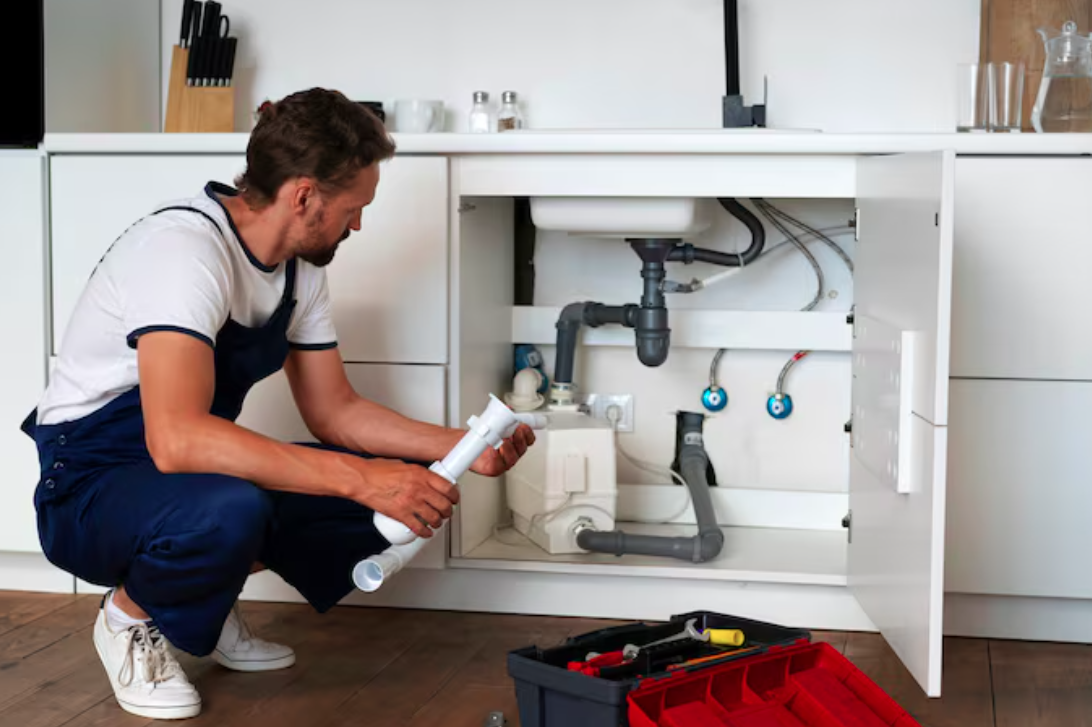
The water management system of a home is often the most used yet most overlooked component of household infrastructure. Upgrading your residential plumbing is a vital step toward reducing monthly water bills and preventing the structural damage caused by hidden leaks.
Modern low-flow fixtures, high-efficiency water heaters, and insulated piping can significantly decrease resource consumption without sacrificing performance. Professional plumbers can also identify outdated pipe materials that might be restricting flow or causing contamination.
By maintaining a healthy and updated plumbing network, you ensure that your home remains hygienic and efficient while avoiding the high costs associated with emergency repairs.
Optimizing Compliance Through Professional Energy Code Calculations
When planning major renovations or system replacements, it is essential to ensure that your home meets modern efficiency standards.
Utilizing professional energy code calculations allows homeowners and contractors to determine exactly how a building will perform in terms of heat retention and power usage.
These scientific assessments take into account the quality of insulation, window types, and the efficiency of heating and cooling units to ensure the property remains compliant with local regulations.
By relying on these precise calculations, you can identify the most effective areas for improvement, ensuring that your investment leads to the highest possible reduction in energy consumption and annual costs.
Enhancing Thermal Barriers with Advanced Attic Insulation
A significant portion of energy waste in most residential properties occurs through the roof and upper walls. Upgrading your attic insulation is one of the most cost-effective ways to stabilize indoor temperatures throughout the changing seasons.
By creating a robust thermal barrier, you prevent conditioned air from escaping during the winter and keep the summer heat from penetrating the living space.
This simple structural enhancement reduces the workload on your HVAC system, leading to a longer equipment lifespan and a noticeable decrease in heating and cooling expenses. A well-insulated home provides a more consistent level of comfort for all residents.
Improving Climate Control with Smart Thermostat Integration
Technology plays a pivotal role in managing home performance with minimal manual effort. The installation of a smart thermostat allows for the precise automation of your home’s temperature based on your daily schedule and habits.
These devices can be controlled remotely via smartphone applications and provide detailed insights into your energy usage patterns. By automatically adjusting the temperature when the house is empty, smart thermostats prevent unnecessary energy waste.
This level of control ensures that your home is perfectly comfortable the moment you arrive while keeping your utility bills as low as possible through intelligent resource management.