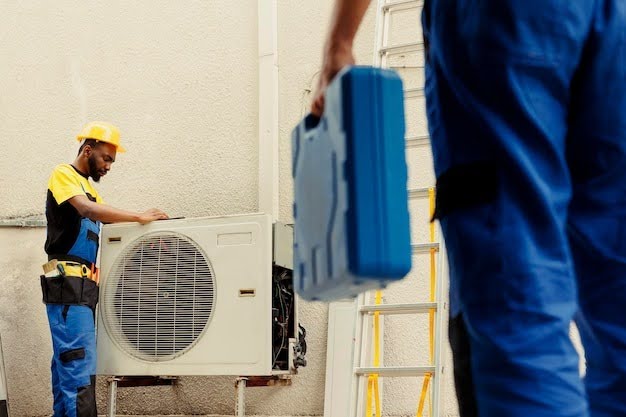
A properly functioning air conditioner can make indoor spaces more comfortable, especially during hot weather. Like other household appliances, an air conditioning system can develop problems because of age, dust, clogged filters, electrical issues, refrigerant leaks, or general wear and tear. Understanding the basics of air conditioner repair can help homeowners recognize warning signs early and determine when professional assistance is needed.
1. Understand Common AC Problems
Air conditioners can experience several common problems, including weak airflow, unusual noises, unpleasant odors, water leaks, and insufficient cooling.
Some issues may have simple causes, such as a dirty filter, while others may involve electrical components or refrigerant systems. Identifying the symptoms can help determine the appropriate next step.
2. Check the Air Filter
A clogged or dirty air filter can restrict airflow and reduce cooling performance. It can also make the system work harder than necessary.
Homeowners should check filters regularly and clean or replace them according to the manufacturer’s recommendations. Keeping filters clean is one of the simplest ways to support efficient operation.
3. Inspect the Thermostat
A thermostat controls the temperature settings of the air conditioning system. If the room does not reach the selected temperature, check whether the thermostat is set correctly and has sufficient battery power if applicable.
Air conditioner repair may be necessary when thermostat sensors, wiring, or other internal components are causing temperature control problems.
4. Look for Restricted Airflow
Weak airflow from vents can indicate blocked ducts, dirty filters, problems with the blower, or other system issues. Furniture or curtains should not obstruct supply and return vents.
If airflow remains weak after basic checks, professional air conditioner repair may be necessary to identify the underlying problem.
5. Pay Attention to Unusual Noises
Strange sounds should not be ignored. Clicking, buzzing, grinding, rattling, or squealing noises may indicate loose components, motor problems, debris, or other mechanical issues. Turning off the system and contacting a qualified technician can help prevent a minor problem from becoming more serious.
Ignoring unusual sounds for too long can increase the risk of additional damage to other components. Early inspection may help identify and address the problem before it becomes more costly.
6. Check for Water Leaks
Water around an indoor AC unit may indicate a blocked condensate drain, frozen coil, damaged drain pan, or another issue. Excess moisture can potentially damage walls, ceilings, flooring, or other property.
If you notice persistent leaking, professional inspection is recommended. Keeping the area around the indoor unit dry can help protect nearby walls and flooring from moisture damage.
Final Thoughts
Understanding basic air conditioner repair can help homeowners recognize common problems and respond appropriately. Simple maintenance tasks such as checking filters and keeping vents clear can support normal operation, while issues involving refrigerant, electrical components, unusual noises, persistent leaks, or poor cooling should be evaluated by qualified professionals. Prompt attention to warning signs can help reduce the risk of unexpected breakdowns and potentially expensive repairs. Following the manufacturer’s maintenance recommendations and arranging professional servicing when needed can keep an air conditioning system operating reliably and comfortably.