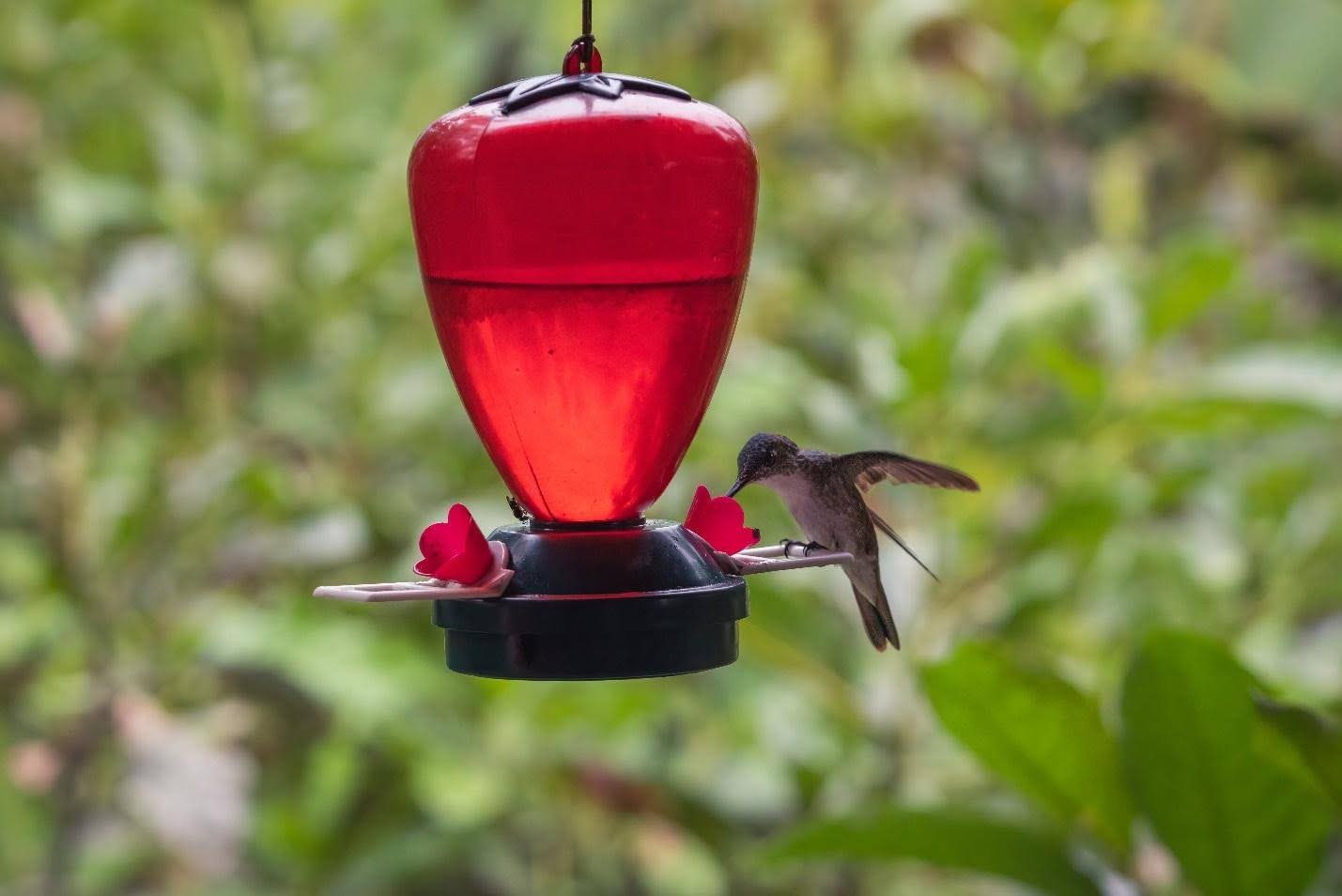
Hummingbird feeders are devices that provide artificial nectar to hummingbirds. These tiny birds burn energy at an incredible rate, visiting up to 2,000 flowers a day, so the feeders supplement natural nectar and help them sustain their rapid metabolism during migration and nesting seasons.
If you live in a community where hummingbirds often visit your home, keeping feeders outside lets you enjoy the beautiful sound of these tiny birds. However, to find the perfect hummingbird feeder for your yard, look for easy-to-clean, drip-proof saucer models or inverted-bottle designs. This article explains how to choose hummingbird feeders for your home’s outdoor space.
1. Choosing the Right Feeder
With a wide range of feeder types and shapes, it is important to understand the features they offer to hummingbirds and how they can enhance the beauty of your home’s outdoor space. Hummingbirds are most attracted to the color red, which is why most feeders include red or a red accent.
Therefore, it is best to choose red feeders because hummingbirds can spot them from a distance. Remember, avoid adding white or yellow feeders because they might attract bees and wasps.
When choosing among the hummingbird feeders for sale, prioritize bird safety and ease of maintenance. Some of the best and most popular hummingbird feeders available on the market include: saucer feeder, inverted bottle feeder, and window feeder.
2. Plastic Hummingbird Feeders vs Glass Hummingbird Feeders
Both glass and plastic hummingbird feeders are equally suitable for birds; they make no difference to them. However, the choice between these feeders depends on personal preferences. Plastic feeders are lightweight, affordable, and less likely to break if dropped, but they can heat up quickly, warp over time, and the sugar in nectar can erode the plastic from the inside.
Glass feeders are more likely to break if dropped, especially in severe weather. They are also heavier than plastic feeders. Glass is likely to discolor over time, but it helps preserve artificial nectar because it doesn’t heat up quickly.
3. Finding & Buying Feeders
You can find a wide variety of hummingbird feeders at major outdoor retailers, hardware stores, and birding specialists. Look for models that suit your climate, budget, and home’s outdoor space.
Check local and chain hardware stores for suitable hummingbird feeders for your outdoor space. You can also check outdoor and nature retailers for high-quality glass-blown or plastic feeders. However, it is recommended to check online before going out to buy your desired hummingbird feeder.
Checking online will let you view a wide variety of hummingbird feeders with real images and customer reviews. This will give you a better understanding of what you are going to buy and where you will hang it in your home’s outdoor space.
4. Placement & Maintenance
Once you have bought a hummingbird feeder, the last but important step is to choose where to hang it. Choose an area with morning sun and afternoon shade to prevent the nectar from spoiling quickly.
Hang it near small trees or shrubs so birds have a place to retreat and perch, but avoid dense foliage where predators can hide. Homemade nectar uses a 4:1 water-to-white-sugar ratio and spoils in heat. Therefore, wash your feeder and replace the nectar every 2 to 3 days.