Pest control is not an isolated practice, but it is an issue year-round and must consider seasonal variation. Various pests have their seasons, and knowing their activities can assist homeowners and businesses to have a safe, clean, and pest-free life throughout the year. Pest control can be performed using a seasonal approach to the eradication of infected crops to avoid infestation and save money on treating them later.
Spring: The Time of Revival
A large number of pests come out of their winter sleep when the temperatures begin to rise. The spring season is very important in pest control as insects and rodents begin to breed and find food.
Examples of common spring pests are ants, termites, mosquitoes, and flies. Termites particularly bedevil around this time, so it is important to check wooden buildings to see whether they have been damaged or not. Ants may get into kitchens and pantries to seek food, and spring rainwater that stands can be used as breeding areas by mosquitoes.
You can prevent this in spring by sealing cracks and openings around doors and windows, repairing leaky pipes, and making sure that there is proper drainage in and around your property. Pests can also be prevented by frequent cleaning and storage of food.
Summer: Peak Pest Activity
Summer is the high season of pest situations. The conditions presented to most pests are favorable due to the high humidity and warm climatic conditions. Especially of concern are the mosquitoes, cockroaches, wasps, and rodents during this season.
Mosquito breeding occurs quickly in stagnant water, and therefore, it is important to remove any source of standing water, like buckets, blocked gutters, or plant pots. Cockroaches readily breed in damp locations, especially where food and water are readily available.
In order to regulate during summer, take care of the outside and the inside at the same time. Seal the garbage can lids, clean the food spills as they come, and trim the vegetation surrounding your house so as to give the greatest number of places to hide the garbage. Insects may also be kept out by installing window screens and door screens.
Autumn: Shelter Preparation
With the onset of fall, pests are beginning to find warm places to overwinter. It is in autumn that rodents, spiders, and some insects attempt to get inside.
Rats and mice are capable of squeezing through small holes, and it is also important to check the exterior of your house to ensure there are no holes that rodents can squeeze through. Spiders are also more visible as they scurry into a home in pursuit of food and shelter.
Fall pest control should be focused on exclusion and prevention. Seal cracks in the walls, mend broken roofs, and install door sweeps to keep doors closed. By raking up leaves and debris in your yard, you can reduce the number of hiding places of pests. There is also still time to have a professional inspection done to determine what type of threats there may be before winter comes.
Winter: Hidden Threats
Most pests are still active indoors, even though pest activity seems to slow down during winter. Rodents, cockroaches, and bed bugs can live in hot places.
The rodents are able to inflict serious damage, chewing through wires, insulation, and furniture. Cockroaches can be found behind the scenes in the kitchens and bathrooms, and bed bugs can multiply rapidly when untreated.
Winter pest control is concerned with surveillance and upkeep. Keep your house and household clean and tidy, keep your food in airtight containers, and ensure you look out for evidence of pest activity (droppings or gnaw marks). Regular inspections will help identify infestations before it takes a serious turn.
Integrated Pest Management: Annual Strategy
The pest management plan can be successful outside of the season. One such strategy is the Integrated Pest Management (IPM), which entails prevention, monitoring, and control of pests to minimize the risk of pests.
IPM centers around the use of ecologically friendly solutions and reduces the use of chemical treatment. This includes proper hygiene, habitat modification, and the use of natural predators or traps. This is because knowing the pest behavior and life cycles enables you to take positive actions in order to keep them away.
Position of Professional Pest Control Service
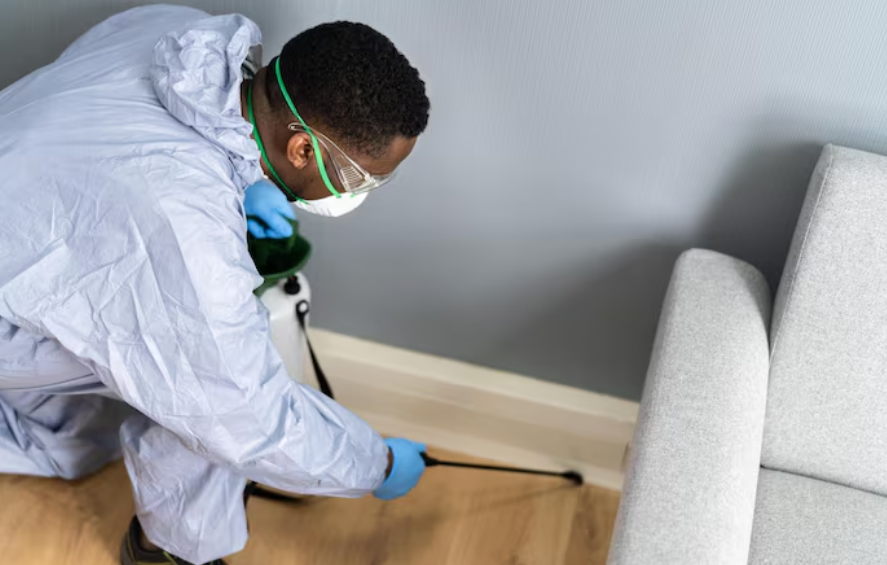
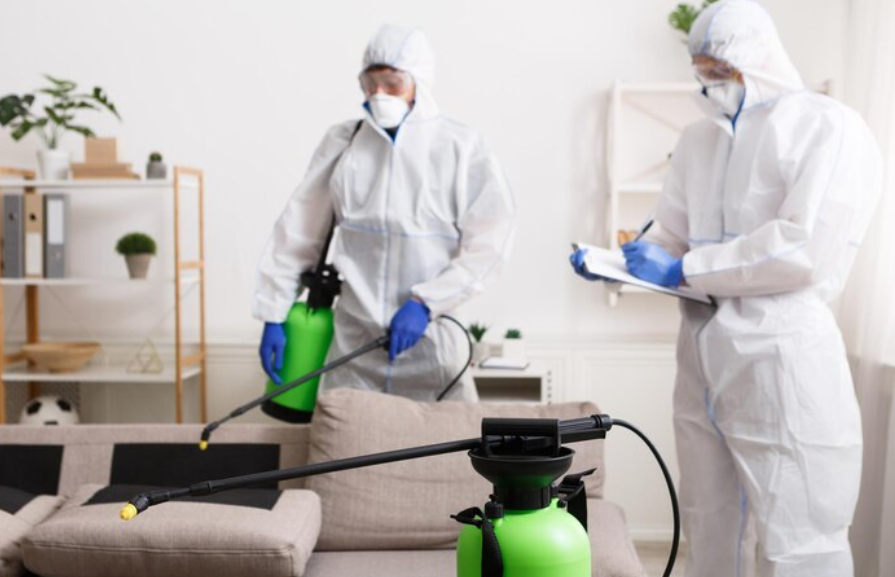
In the areas where the minor problems can be handled through a DIY method, the more intense problems can be addressed by professional pest control teams and their expertise in handling the problem, as well as the advanced solutions. The pest issues may be tracked to the heart of the issue, and the application of certain treatment that is safe and productive can be implemented with specialists.
The protection can be guaranteed year-round with the help of the constant care of specialists. You can also get useful tips about how you can make your property less appealing to pests from them.
Conclusion
Controlling pests is a process that must be continued by taking into consideration seasonal variations and anticipations. With the knowledge of the special difficulties that each season presents to you, you can use effective strategies to secure your home or business throughout the year. Closing the opening in the spring and monitoring the activities inside the home, one can do much to achieve a pest-free treatment throughout the winter months. Whichever way you prefer to do things, with pest control, either doing it on your own or getting professional help, the only way to help ensure success is by being consistent and watching.